
What Color Temperature Is Best for Outdoor Lighting? Complete Guide (3000K vs 4000K vs 6000K)
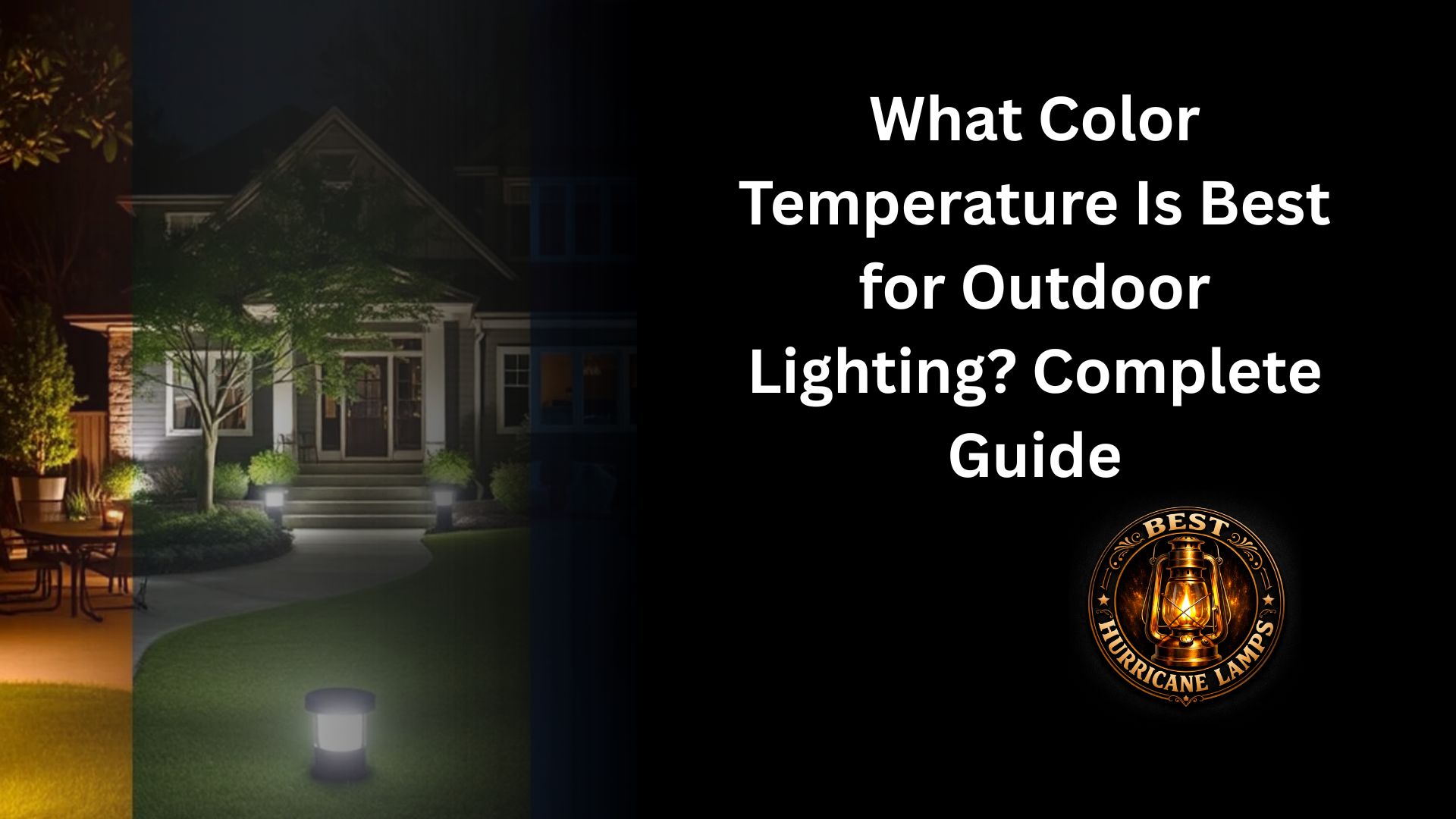
What color temperature is best for outdoor lighting depends on the purpose of your lights and the atmosphere you want to create. Color temperature, measured in Kelvin (K), affects how warm or cool the light appears.
Choosing the right temperature improves visibility, comfort, and overall aesthetics. Whether you’re lighting a patio, pathway, or security area, understanding these differences helps you make the right choice.
What color temperature should outdoor lights be?
Outdoor lights typically work best between 2700K and 4000K, depending on the application. Warmer tones (2700K–3000K) are ideal for patios, gardens, and relaxation areas because they create a cozy and inviting atmosphere.
Cooler tones (3500K–4000K) are better for security and functional lighting. They provide clearer visibility and make it easier to identify objects and movement at night.
What is the best color for outdoor lights?
The best color for outdoor lights depends on your goal. Warm white light is best for decorative and ambient lighting, as it enhances comfort and complements natural surroundings.
For security and task lighting, neutral or cool white light is more effective. It improves clarity and helps illuminate larger areas with better detail.
Which is warmer, 3000K or 4000K?
Between 3000K and 4000K, 3000K is warmer. It has a soft yellowish tone that creates a relaxed and comfortable environment, making it ideal for residential outdoor spaces.
4000K, on the other hand, is more neutral and slightly cooler. It provides a brighter and more clinical look, which is better suited for functional lighting needs.
Which is whiter, 4000K or 6000K?
6000K is whiter and much cooler compared to 4000K. It has a bluish-white tone that is very bright and often used for high-visibility or security lighting.
4000K is considered neutral white, offering a balance between warmth and brightness. It is often preferred for general outdoor lighting because it is easier on the eyes than extremely cool tones.
Conclusion
The best color temperature for outdoor lighting depends on how you use the space. Warm tones are perfect for ambiance, while cooler tones improve visibility and security.
By combining different color temperatures strategically, you can create a well-balanced outdoor lighting setup that is both functional and visually appealing.
Read: How bright should outdoor lights be

Colton Reeves is a dedicated writer for Best Hurricane Lamp, where he brings a unique perspective to his storytelling. When he isn’t crafting engaging content for the web, you can usually find him on the court indulging in his passion for basketball.