Can Oil Lamps Be Used for Heating? Heat Output, Costs & Safety Explained
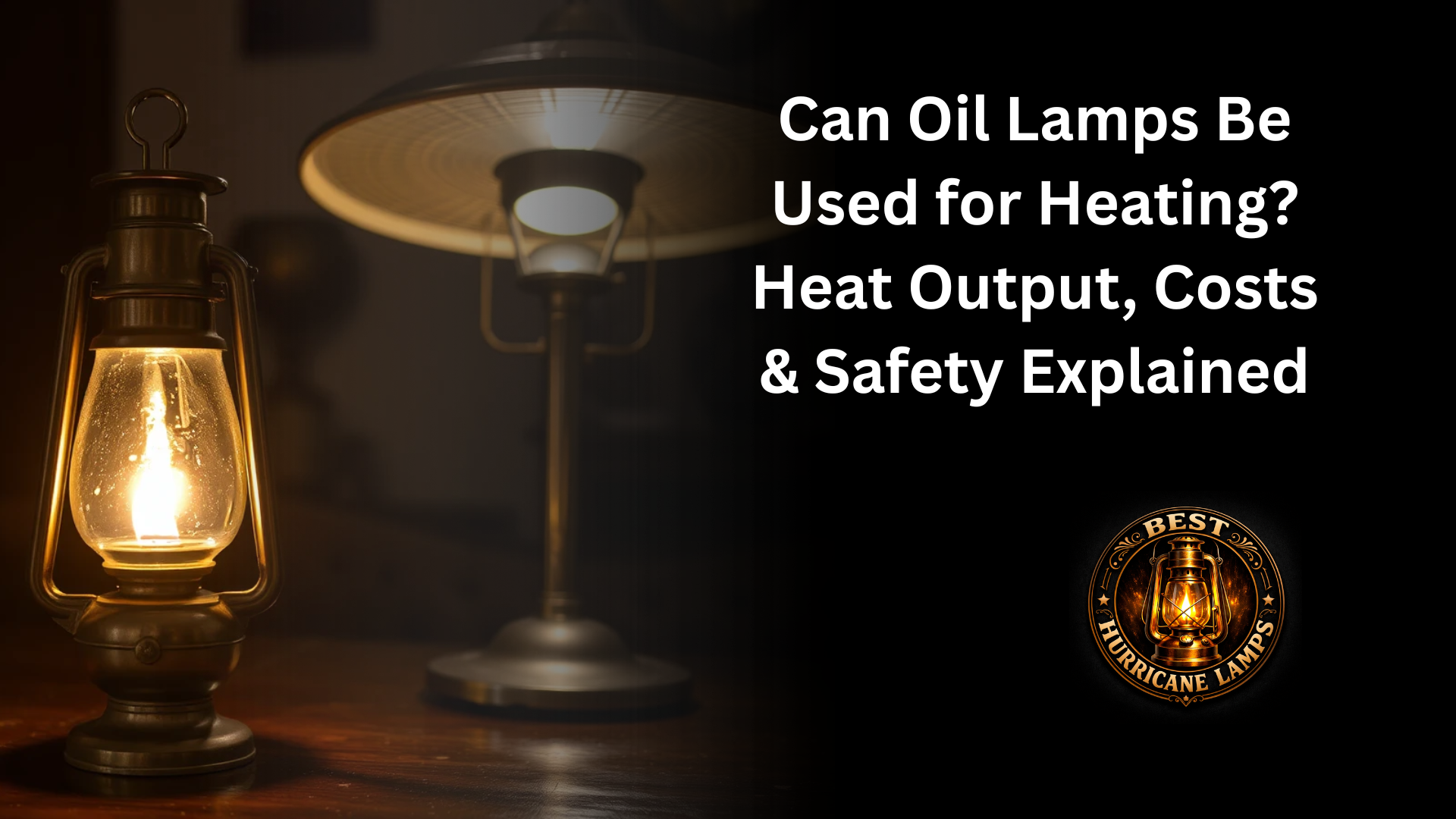
Can oil lamps be used for heating is a common question, especially during power outages or in off-grid situations. Since oil lamps produce a visible flame, many assume they can double as a heat source.
While oil lamps do generate some heat, their primary purpose is lighting, not heating. Understanding their actual heat output, limitations, and safety concerns helps you decide whether they are suitable for your needs.
How much does it cost to run a 250 watt heat lamp for 24 hours?
A 250-watt heat lamp uses 0.25 kilowatts per hour, which adds up to 6 kWh over a full 24-hour period. The total cost depends on your electricity rate, but running it continuously can become expensive over time.
Compared to oil lamps, heat lamps are specifically designed for heating and are far more powerful. Oil lamps consume less fuel and are more economical for lighting, but they cannot match the heating efficiency of electric heat lamps.
What are the disadvantages of oil lamps?
Oil lamps have several limitations that make them unsuitable as primary heat sources. They produce an open flame, which increases the risk of fire and requires constant supervision, especially in indoor environments.
They also generate limited heat and may produce fumes or soot if not used properly. Additionally, they require regular maintenance, including refilling fuel and trimming the wick, which adds to their overall inconvenience.
Can I use lamp oil instead of kerosene?
Yes, lamp oil can be used instead of kerosene, and it is often the better option for indoor use. Refined lamp oil burns cleaner, producing less odor and smoke compared to kerosene.
Kerosene, while cheaper, tends to produce stronger fumes and more soot, making it less suitable for enclosed spaces. For safer and cleaner indoor operation, lamp oil is generally the preferred choice.
How much heat does an oil lamp give off?
An oil lamp typically produces around 80 to 150 watts of heat, depending on the flame size and fuel type. This amount of heat is noticeable near the lamp but not enough to warm an entire room.
While it may provide slight warmth in close proximity, it is not an efficient or practical heating solution. Oil lamps should be viewed as lighting devices with minor heat output rather than true heat sources.
Conclusion
Oil lamps are not designed for heating and should not be relied upon as a primary heat source. While they do produce some heat, it is minimal compared to dedicated heating devices.
For safe and effective use, treat oil lamps as a lighting solution rather than a heater. If warmth is your goal, it’s better to use proper heating equipment while using oil lamps only for illumination during emergencies.
Read: How Much Heat Does an Oil Lamp Produce

Colton Reeves is a dedicated writer for Best Hurricane Lamp, where he brings a unique perspective to his storytelling. When he isn’t crafting engaging content for the web, you can usually find him on the court indulging in his passion for basketball.