Do Oil Lamps Work in Cold Weather? Winter Performance, Freezing & Safety Guide
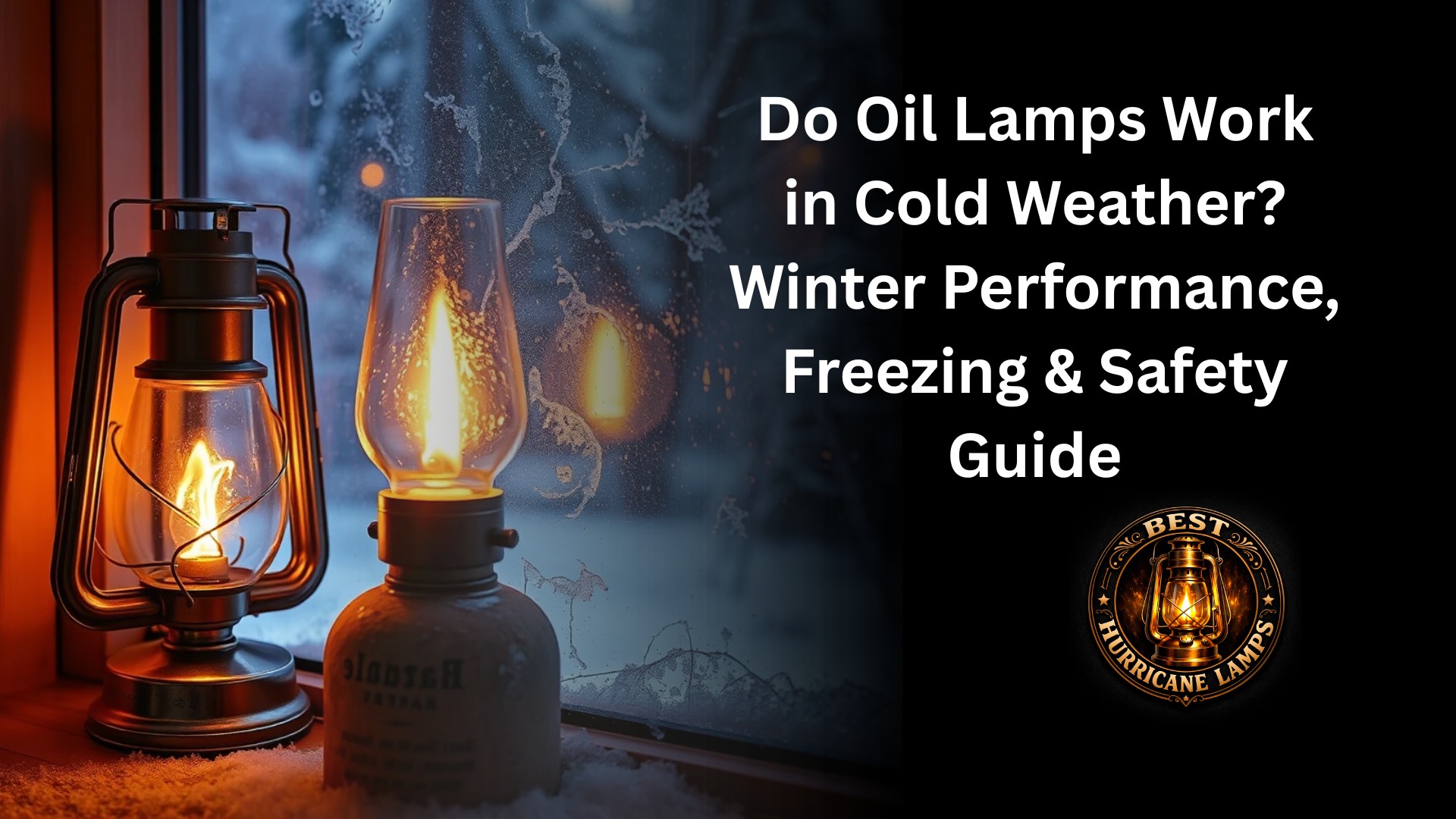
Do oil lamps work in cold weather is a practical concern, especially for those relying on them during winter outages or outdoor use. Since oil lamps depend on liquid fuel and combustion, temperature can affect how efficiently they operate.
While oil lamps generally work in cold conditions, extreme temperatures can influence fuel flow, ignition, and burn quality. Understanding these effects helps you use oil lamps more effectively and safely during winter.
Does lamp oil freeze in the winter?
Most standard lamp oils, especially refined paraffin oil, have a low freezing point, meaning they do not easily freeze under normal winter conditions.
However, in extremely cold temperatures, the oil may thicken, which can affect how well it flows through the wick.
When oil thickens, it may reduce the efficiency of the flame or make ignition slightly harder. Keeping the lamp and fuel stored indoors before use can help maintain proper performance even in cold weather.
What are the disadvantages of oil lamps?
Oil lamps have some limitations, particularly in cold environments. They rely on liquid fuel, which can thicken in low temperatures, affecting the wick’s ability to draw oil consistently.
Additionally, they produce an open flame, which requires careful handling and supervision. Compared to modern lighting options, they provide less brightness and need regular maintenance, including refilling and wick adjustment.
Is it safe to leave an oil lamp on all night?
Although oil lamps can burn for long hours, leaving them on all night is not recommended. The open flame increases the risk of accidents, especially if the lamp is left unattended.
Even in stable conditions, factors like fuel level changes or accidental movement can create hazards. It is safer to turn off the lamp before sleeping and use alternative lighting if needed overnight.
Which oil is good for God Deepam?
For God Deepam (pooja lamps), commonly used oils include sesame oil, ghee (clarified butter), and coconut oil. These are traditionally preferred for their clean burn and cultural significance.
From a practical perspective, these oils also produce a steady flame when used correctly. Choosing pure, high-quality oil ensures better performance and reduces smoke during use.
Conclusion
Oil lamps do work in cold weather, but their performance can be slightly affected by low temperatures. Fuel thickening and slower ignition are common challenges in extreme cold.
By using high-quality oil, storing fuel properly, and maintaining the lamp, you can ensure reliable operation even in winter conditions. With the right precautions, oil lamps remain a dependable lighting option year-round.
Read: How many oil lamps do you need for one room

Colton Reeves is a dedicated writer for Best Hurricane Lamp, where he brings a unique perspective to his storytelling. When he isn’t crafting engaging content for the web, you can usually find him on the court indulging in his passion for basketball.