Should Outdoor Lights Stay On All Night? Safety, Cost & Best Practices
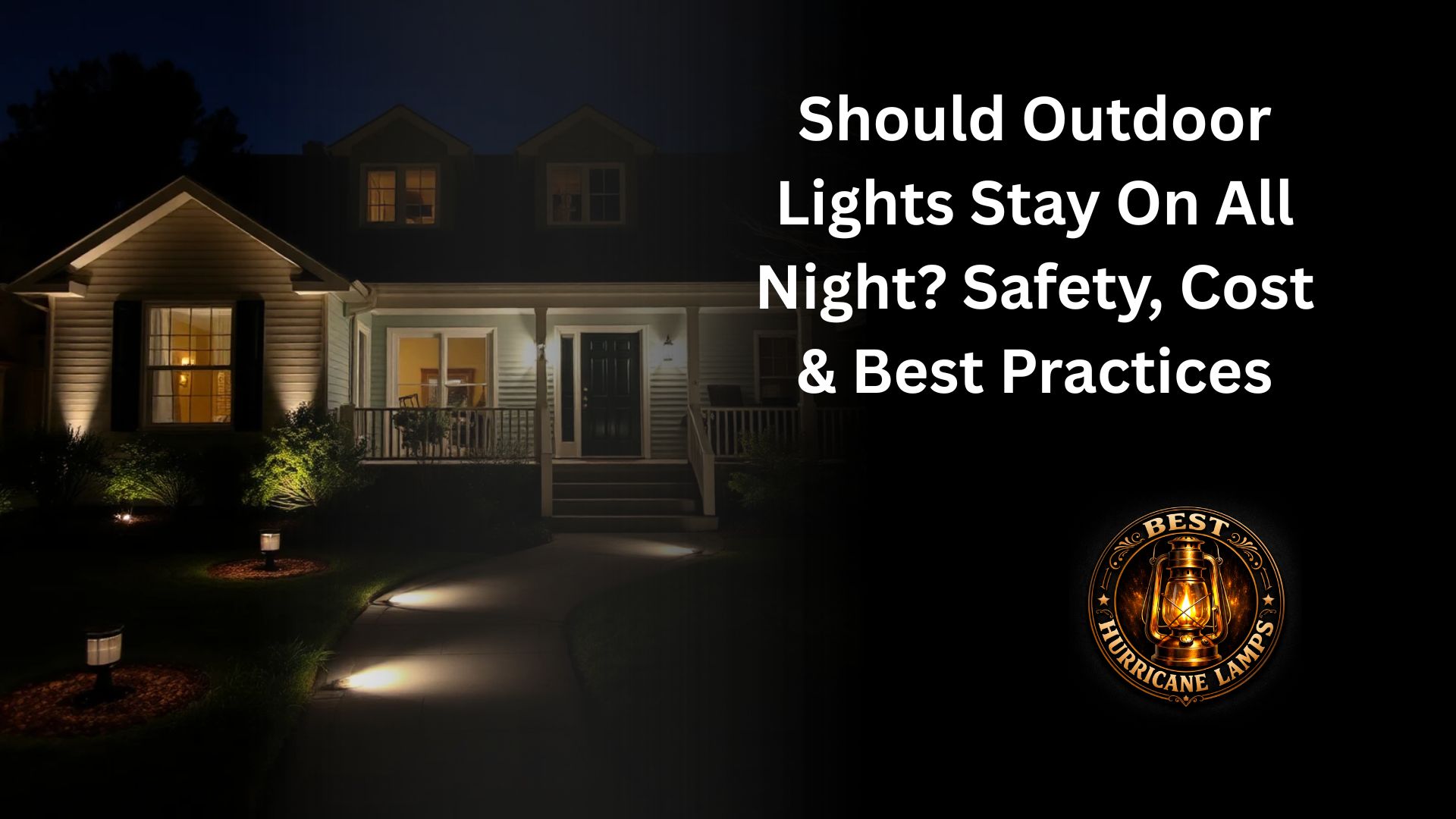
Should outdoor lights stay on all night is a common question for homeowners balancing security, energy use, and comfort. Outdoor lighting can improve visibility and deter unwanted activity, but constant use may not always be necessary.
The right approach depends on your lighting goals, setup, and energy efficiency. Understanding when to keep lights on and when to turn them off helps you optimize both safety and cost.
Is it a good idea to leave outside lights on all night?
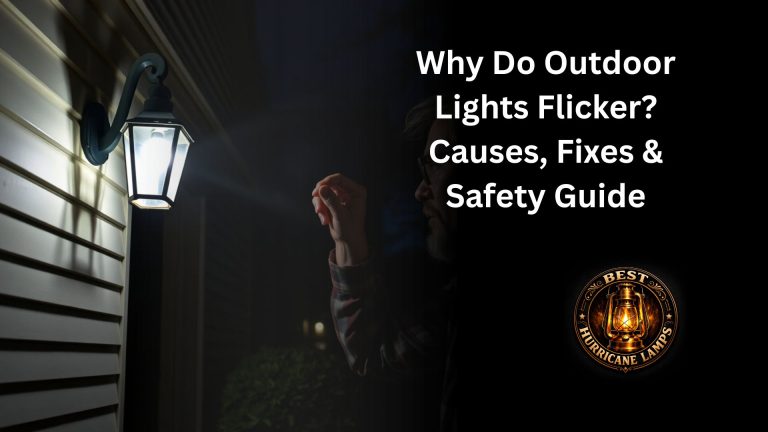
Leaving outside lights on all night can improve security by making your property visible and discouraging intruders. A well-lit exterior also helps with navigation and safety during late hours.
However, constant lighting may lead to unnecessary energy consumption and light pollution. In many cases, using motion sensors or timers is a more efficient alternative.
Can outdoor lights stay on all night?
Yes, outdoor lights can technically stay on all night, especially if they are LED-based and designed for long operation. Modern fixtures are built to handle extended usage without overheating or damage.
That said, keeping lights on continuously may not always be practical. Strategic use, such as dim lighting or automated controls, can provide the same benefits with less energy use.
What is the 5 7 light rule?
The 5–7 light rule refers to using multiple light sources in a space to create balanced illumination. Instead of relying on one bright light, several smaller lights improve coverage and reduce harsh shadows.
For outdoor areas, this means combining pathway lights, wall lights, and accent lighting. This approach enhances both functionality and visual appeal.
When should outdoor lights be turned off?
Outdoor lights should generally be turned off when they are no longer needed, such as during daylight hours or when the area is not in use. This helps conserve energy and reduce costs.
Using timers, smart controls, or motion sensors allows lights to operate only when necessary. This ensures efficiency while maintaining safety and convenience.
Conclusion
Outdoor lights can stay on all night, but it’s not always the most efficient approach. While continuous lighting improves visibility and security, it can also increase energy usage.
A balanced setup using timers, sensors, and strategic placement offers better results. This way, you maintain safety while optimizing energy efficiency and overall lighting performance.
Read: Are LED lights good for cold weather

Colton Reeves is a dedicated writer for Best Hurricane Lamp, where he brings a unique perspective to his storytelling. When he isn’t crafting engaging content for the web, you can usually find him on the court indulging in his passion for basketball.