What Kind of Oil to Use in an Oil Lamp (Safe & Clean Burning Guide)
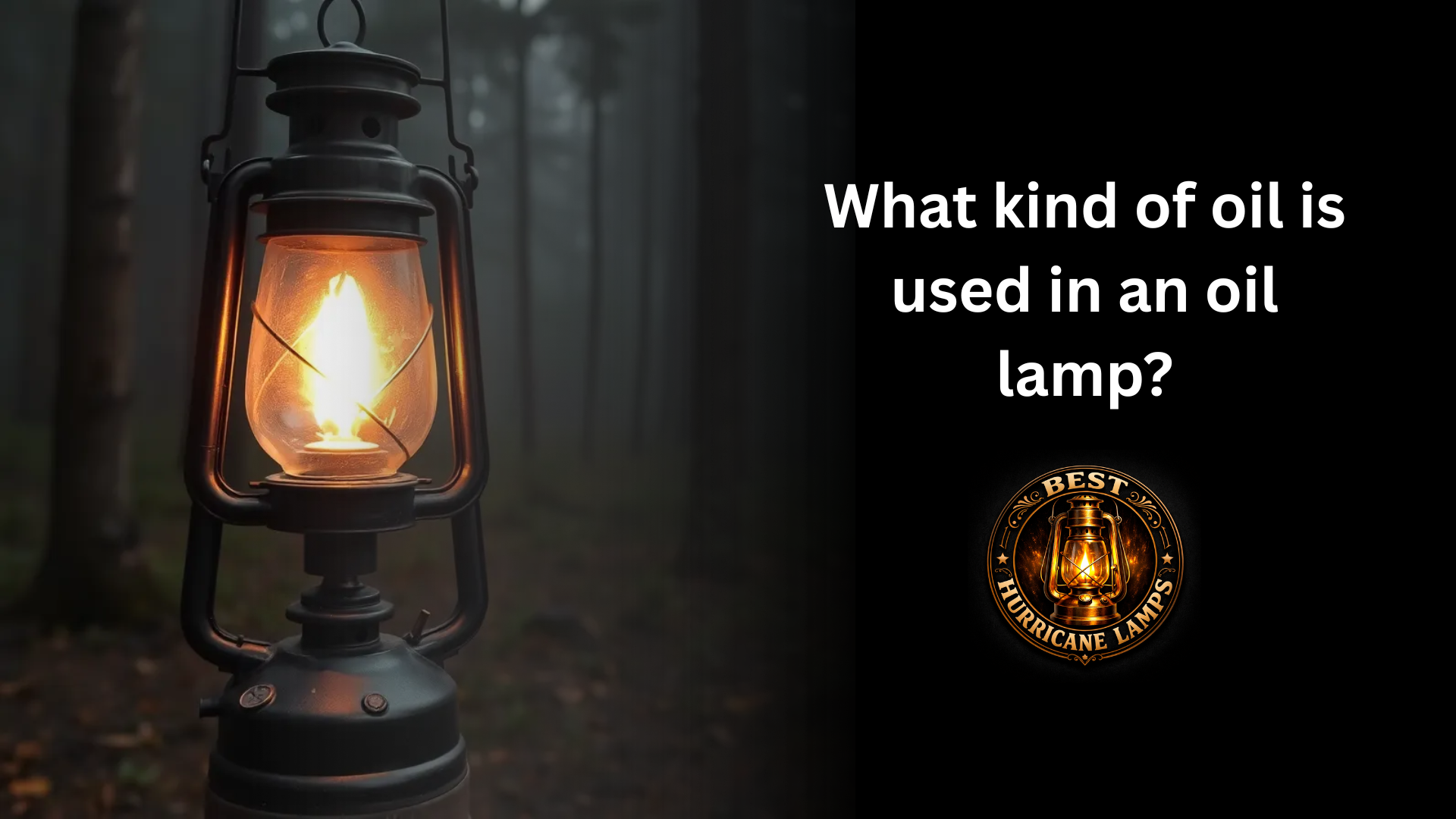
What kind of oil is used in an oil lamp is a common question, especially for beginners who want a safe and efficient lighting experience.
The type of oil you choose directly affects brightness, burn time, odor, and overall safety.
Oil lamps are designed to work with specific fuels that burn cleanly and consistently through a wick.
Using the wrong type of oil can lead to smoke, unpleasant smells, or even safety risks. Understanding the right options helps you get the best performance from your oil lamp.
What Kind Of Oil Can I Put In My Oil Lamp?
The most commonly used oils in an oil lamp are lamp oil and kerosene (paraffin oil). Lamp oil is specially refined to burn cleanly with minimal smoke and odor, making it ideal for indoor use. It produces a steady flame and keeps your lamp chimney cleaner over time.
Kerosene, on the other hand, is a more traditional and widely available option. It burns brighter but may produce a slight smell compared to lamp oil. It’s often preferred for outdoor use or emergency situations where brightness is more important than odor.
Which Oil Should I Use For Diya?
For traditional diyas, especially in cultural or religious settings, vegetable oils like mustard oil, sesame oil, or ghee (clarified butter) are commonly used.
These oils are easily available and produce a natural, warm flame that is suitable for rituals and indoor use.
Compared to kerosene or lamp oil, diya oils burn with a softer glow and are considered safer for short-term use. However, they may produce more residue and require frequent cleaning, especially if used regularly.
What Is A Good Substitute For Lamp Oil?
If lamp oil is not available, you can use kerosene as the closest substitute, as it is designed for similar types of lamps and provides strong illumination.
It’s a practical option during emergencies or power outages when specialized fuel isn’t accessible.
For DIY or temporary setups, vegetable oils like olive oil or coconut oil can also work.
However, these alternatives produce less brightness and may not burn as efficiently, so they are better suited for short-term or decorative use rather than primary lighting.
Can Lamp Oil Be Used Instead Of Kerosene?
Yes, lamp oil can be used instead of kerosene, and in many cases, it is actually the better option for indoor use.
Lamp oil is more refined, which means it burns cleaner and produces less odor and soot compared to kerosene.
While kerosene is often chosen for its brightness and availability, lamp oil offers a more comfortable experience, especially in enclosed spaces. If you prioritize clean burning and low maintenance, lamp oil is generally the preferred choice.
Conclusion
Choosing the right oil for your oil lamp is essential for both performance and safety. Lamp oil and kerosene remain the most reliable options, while vegetable oils serve as alternatives for specific uses like diyas or short-term lighting.
By understanding the differences between these fuels, you can select the one that best fits your needs, whether it’s for everyday use, emergencies, or traditional purposes. The right oil not only improves brightness but also ensures a cleaner and more efficient burn.
Read: How to trim an oil lamp wick

Colton Reeves is a dedicated writer for Best Hurricane Lamp, where he brings a unique perspective to his storytelling. When he isn’t crafting engaging content for the web, you can usually find him on the court indulging in his passion for basketball.