What Is an Oil Lamp? Purpose, Types, and How It Works Explained
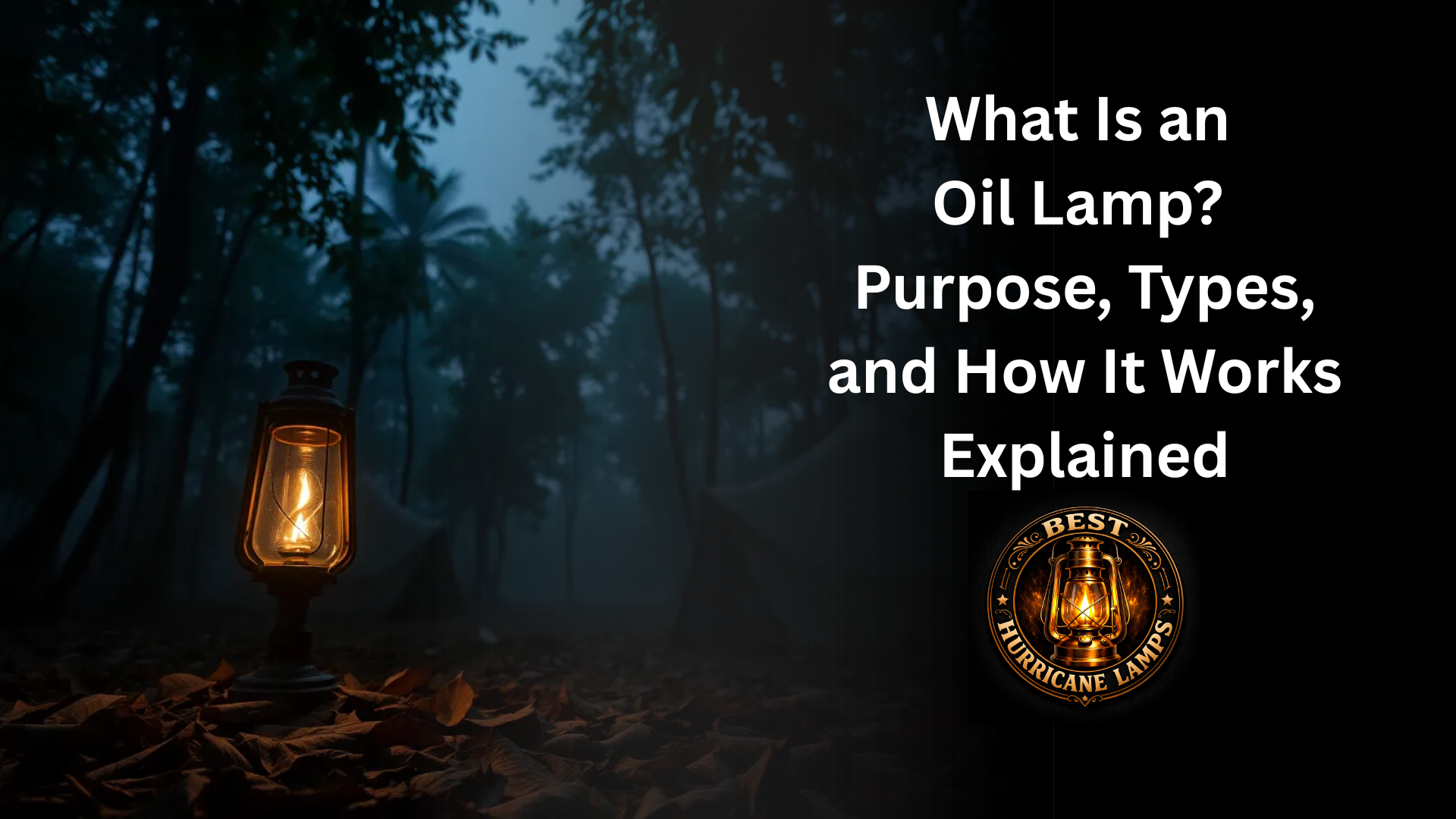
What Is an Oil Lamp? An oil lamp is a traditional lighting device that produces light by burning liquid fuel such as kerosene or lamp oil through a wick.
Used for centuries before electricity became common, oil lamps are still popular today for emergency lighting, camping, and creating a warm, vintage ambiance at home.
Unlike candles, oil lamps provide a more stable and longer-lasting source of light. Their simple design: a fuel reservoir, wick, and protective chimney makes them reliable during power outages and useful in both indoor and outdoor settings.
What Is The Purpose Of The Oil Lamp?
The primary purpose of an oil lamp is to provide a steady and reliable source of light without electricity. It is commonly used during power outages, in rural areas, or for outdoor activities like camping.
Apart from functionality, oil lamps are also used for decorative and ambient lighting, adding a soft, warm glow to spaces that modern LED lights often cannot replicate.
What Can You Burn In An Oil Lamp?
Oil lamps are designed to burn specific liquid fuels safely and efficiently. The most common options include:
- Kerosene (Paraffin Oil) – widely used for bright and consistent light
- Lamp Oil – cleaner-burning and produces less odor and smoke
- Citronella Oil – mainly used outdoors to repel insects
It’s important to avoid using random fuels, as improper liquids can produce smoke, odor, or even damage the lamp.
What Is An Oil Lamp Called?
Oil lamp is known by several names depending on its design and use. Common terms include:
- Hurricane Lamp – designed with a glass chimney to protect the flame from wind
- Kerosene Lamp – refers specifically to lamps using kerosene fuel
- Paraffin Lamp – another name for kerosene-based lamps
- Oil Lantern – often used for portable or outdoor versions
All these names refer to variations of the same basic concept, a wick-based liquid fuel lighting device.
What Is The Difference Between A Candle And Oil Lamp?
While both provide light using a flame, there are key differences between candles and oil lamps:
Fuel Source
Candles use solid wax, while oil lamps use liquid fuel like kerosene or lamp oil
Burn Time
Oil lamps generally last longer because you can refill the fuel
Brightness
Oil lamps produce brighter and more consistent light compared to candles
Control
Oil lamps allow flame adjustment using a wick, while candles burn at a fixed rate
Overall, oil lamps are more efficient and practical for long-term use, especially during emergencies.
Conclusion
Oil lamps are a timeless lighting solution that continues to remain relevant even in the modern world. Whether used for emergencies, outdoor activities, or aesthetic purposes, they offer a reliable and simple way to produce light without depending on electricity.
Understanding how oil lamps work, what fuels they use, and how they compare to alternatives like candles helps you choose the right option for your needs.
In situations where power isn’t guaranteed, an oil lamp can be more than just a backup, it becomes a dependable source of light and comfort.
Read our blogs

Colton Reeves is a dedicated writer for Best Hurricane Lamp, where he brings a unique perspective to his storytelling. When he isn’t crafting engaging content for the web, you can usually find him on the court indulging in his passion for basketball.